Everything in Visual identity

bed wrote a manifesto before they wrote a look
The Tokyo four-piece send journalists a written document called the Unified Vision. The blacked-out shades, the Matrix-green flyers and the strobe-blind live set all descend from it, which is the correct order to do this in and almost nobody does.
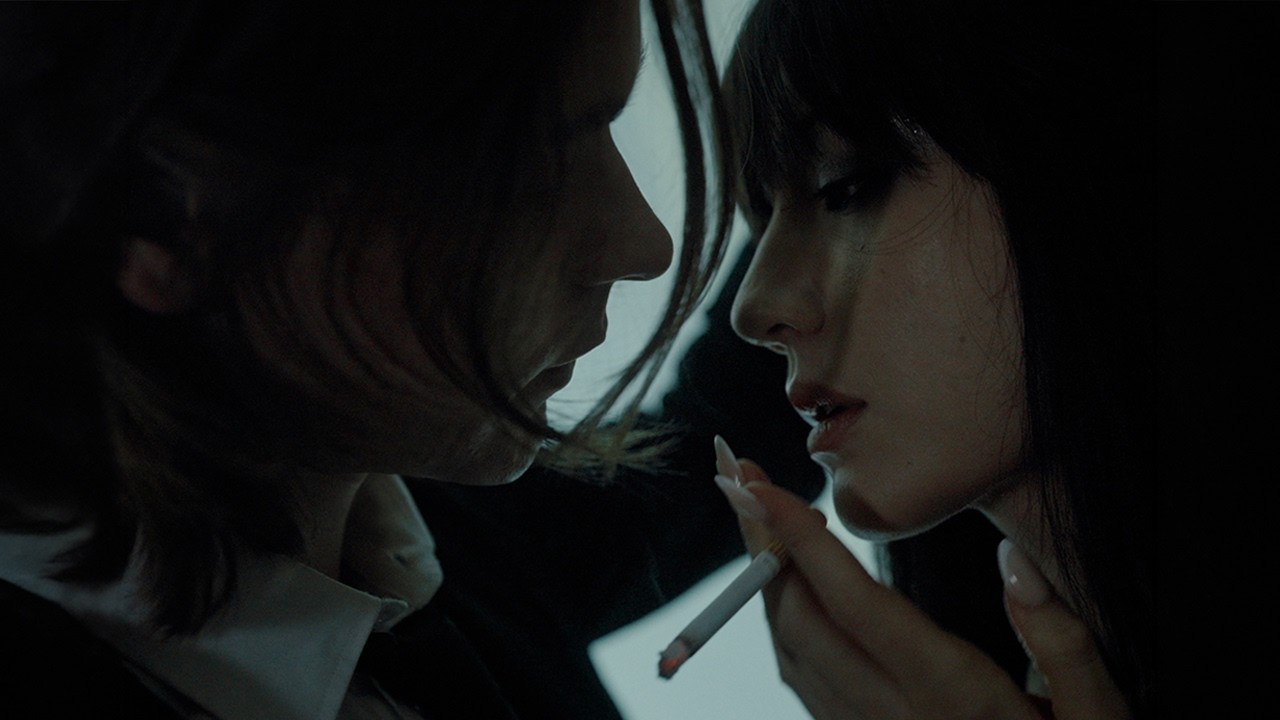
She has worn the same uniform since 2020, and took it off for the cover
White shirt, black tie, checkered miniskirt, white socks. Six years of one outfit, treated as armour, and then removed for the one image that matters most.

The band takes its own photos, designs its own sleeves, and makes a perfume for each record
Roomer have handled their own promo images and covers from the start. Luka Aron also composes a scent to go with each album, which is either a gimmick or the most complete world-building on this page.

They shot an alien in Kosovo from behind a bush, on a long lens
A deliberately grey retro-sci-fi world, guerrilla street scenes, and a mating dance choreographed to be bad on purpose. The director is unusually clear that the flatness is the point.

Clay, puppets and airbrush gradients, made in her own studio
Crack calls her studio "a cave of clay creations, puppets and colours wired straight from the subconscious". She makes the objects in her world herself, which is why it does not look like anyone else's.

The stripes of the Thai flag, running through everything
Red, white and navy as a permanent visual constraint, with titles drawn from Thai words for purgatory and hell on earth.
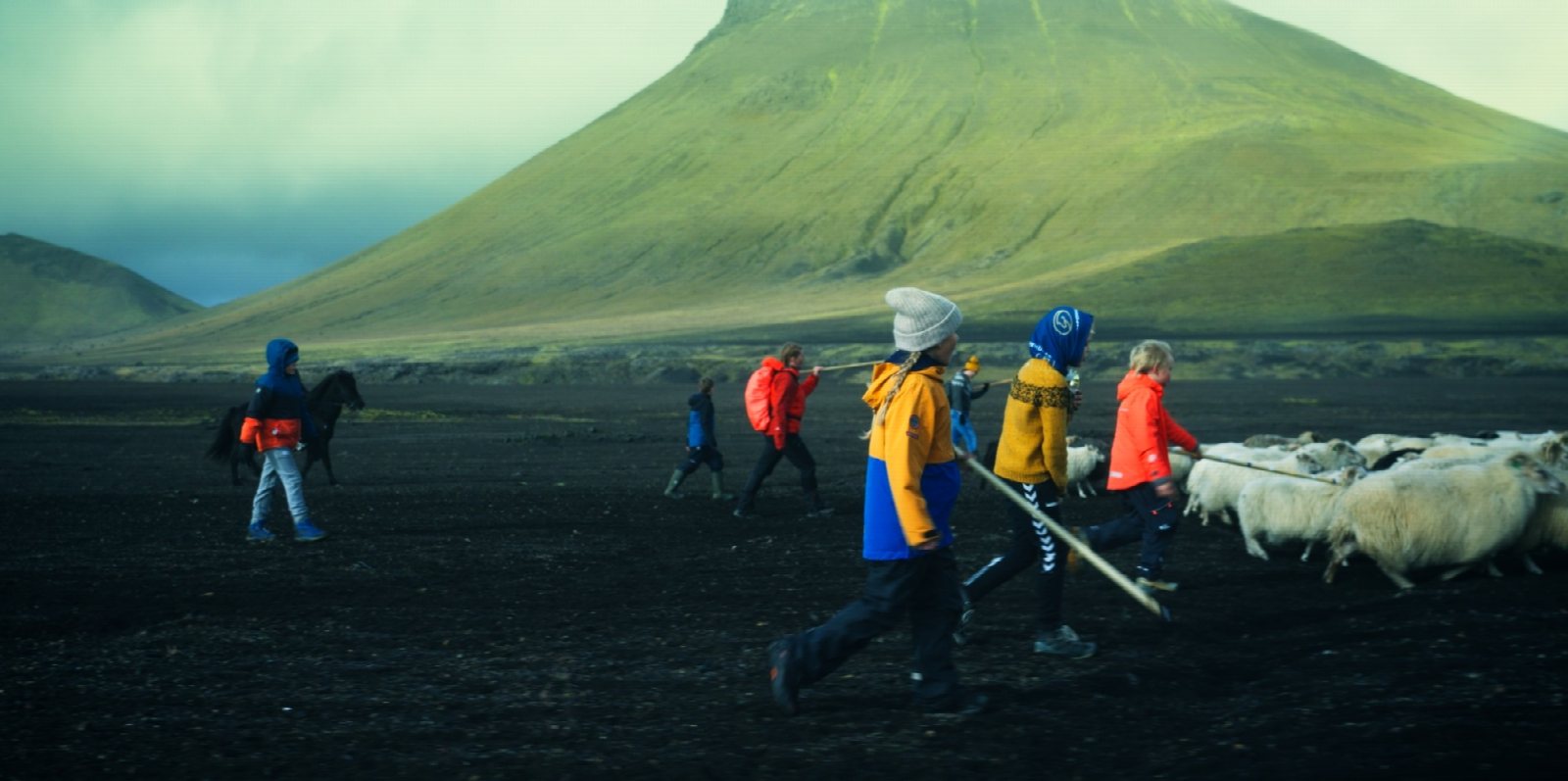
Fjallferð: Ragnar Axelsson’s eye, refracted by Caution Media
Caution Media’s Fjallferð borrows Ragnar Axelsson’s archive and voice, but keeps the camera in the farmers’ circle—image serving identity, not spectacle.
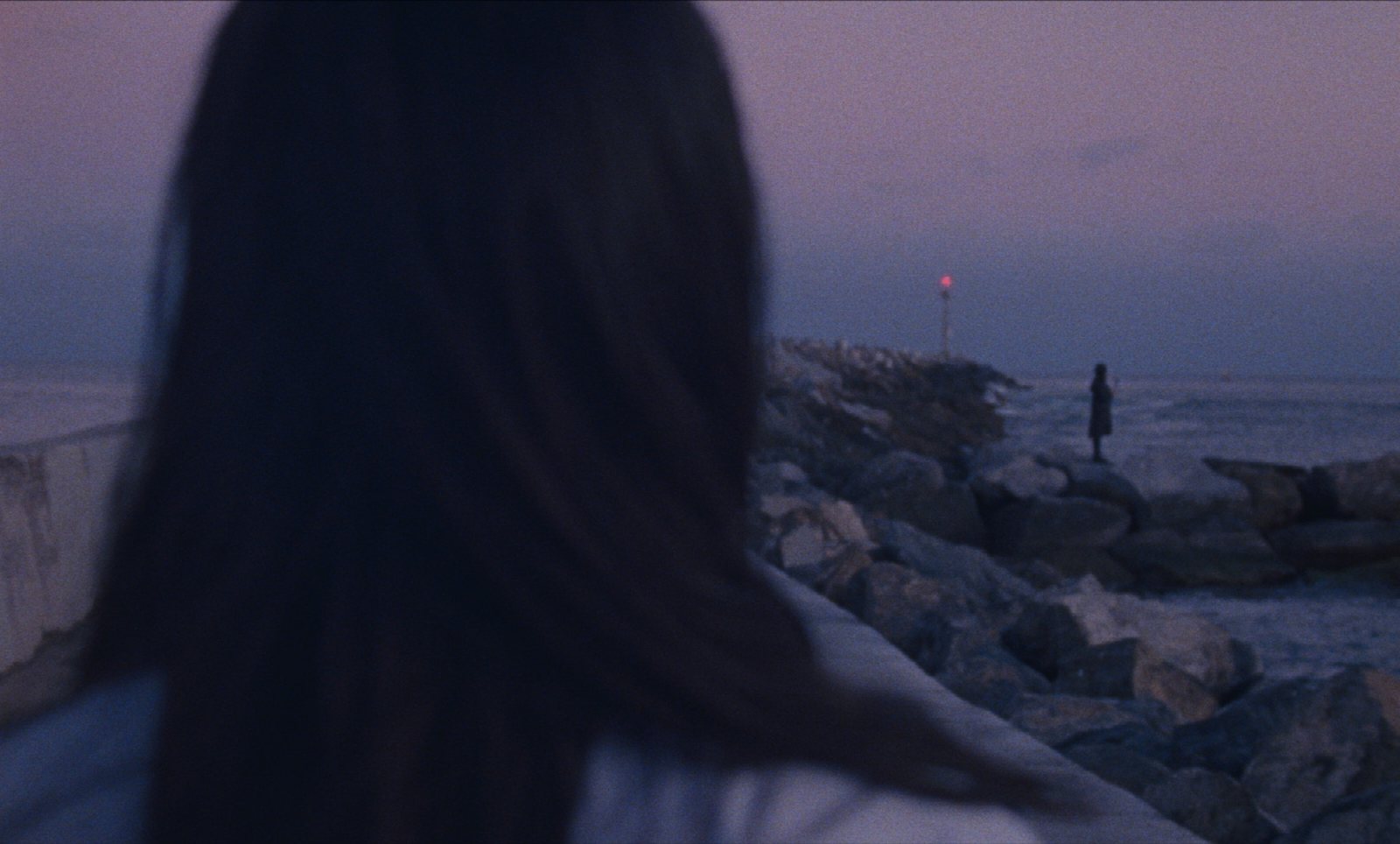
Li Anne Liew: glide and the calm of being unseen
How glide consolidates Li Anne Liew’s recurring motifs — wind, ritual inserts, 500T and formal restraint — into a quietly unsettling visual identity.
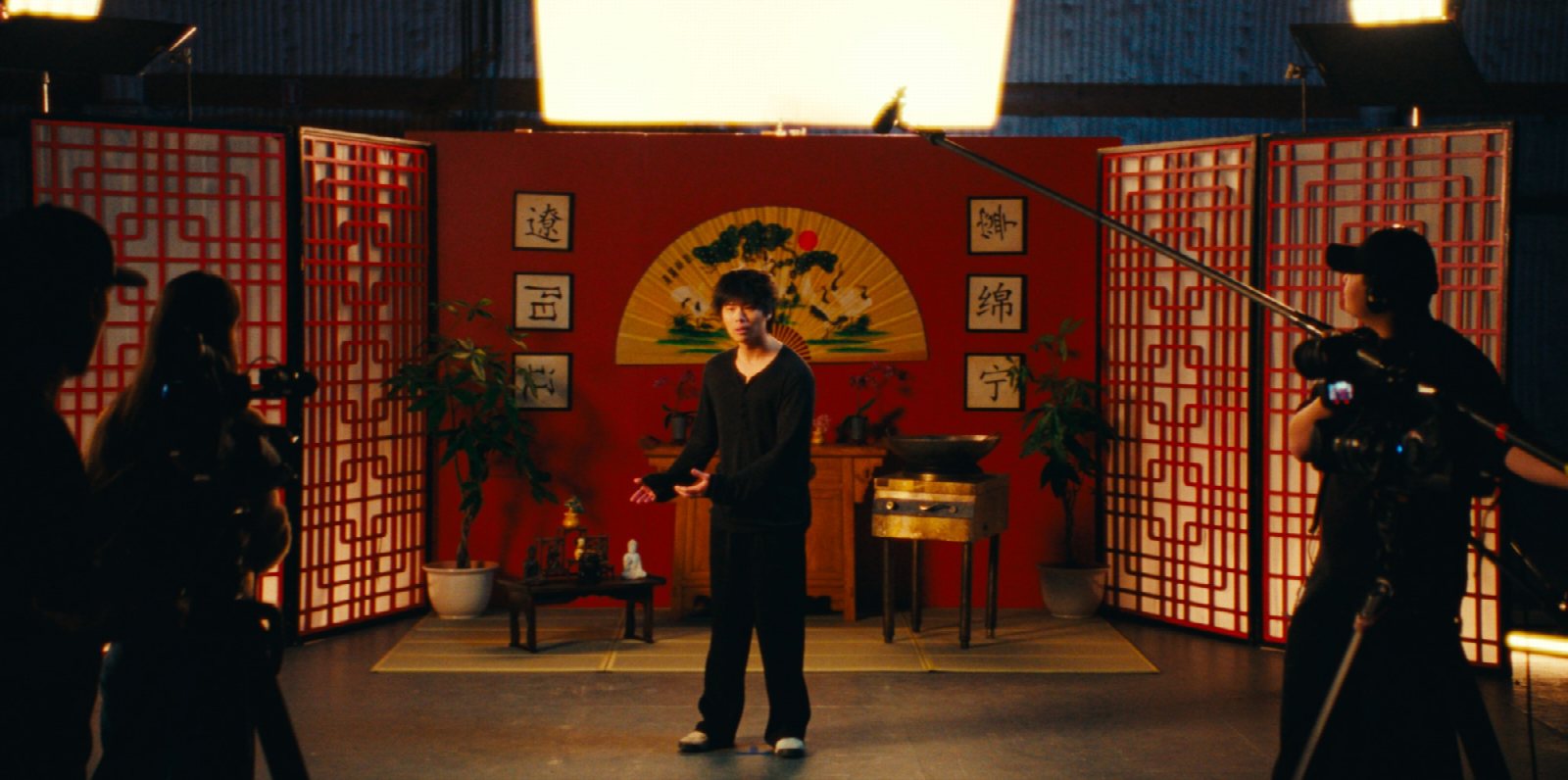
Nathan Xia: Flavor of the Month and His Visual Idiom
Nathan Xia's Flavor of the Month sharpens his visual vocabulary; the director explains how satire and camera craft recast representation.
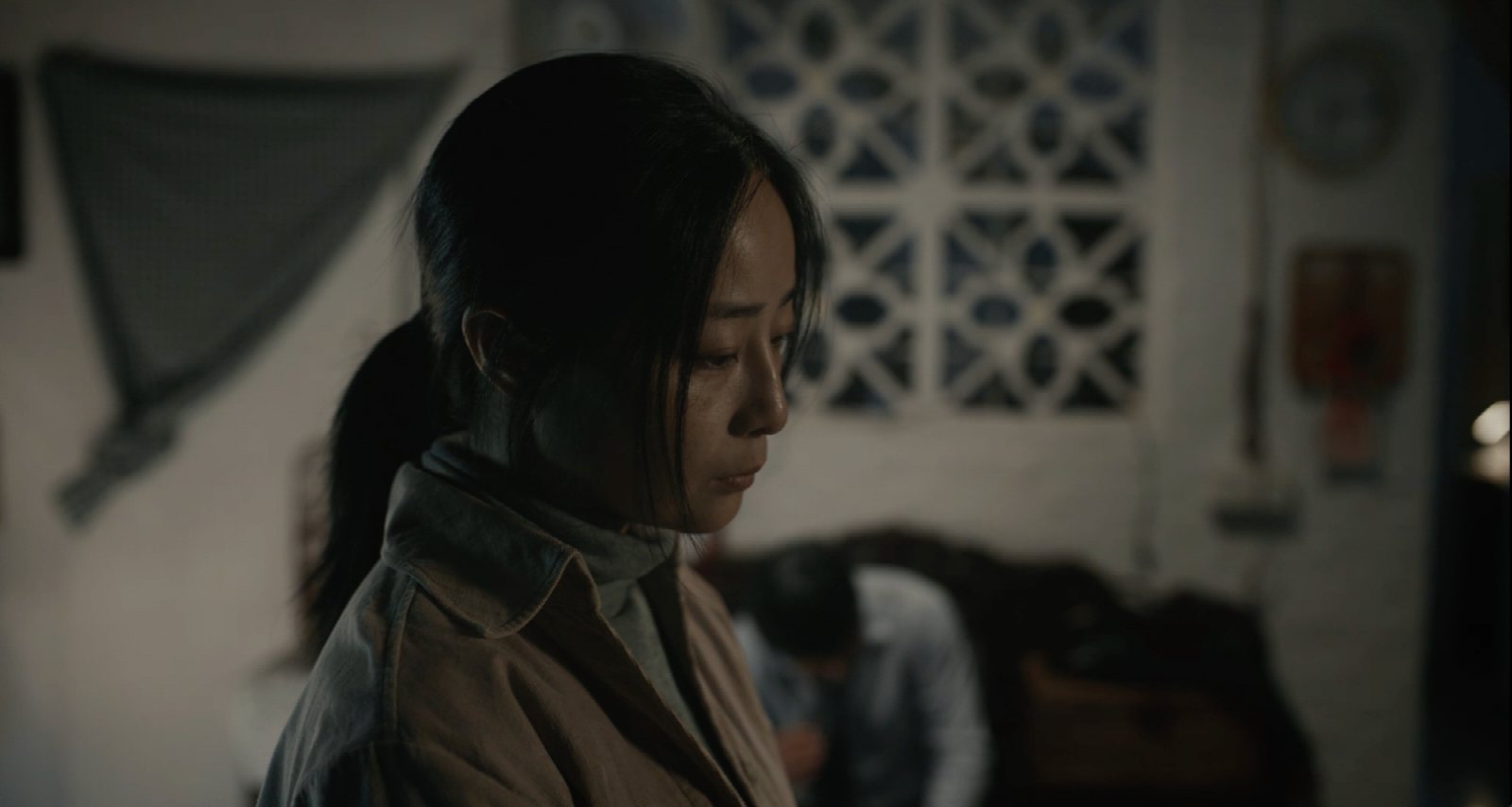
Lianpeng Zhao’s Museum of Death
Zhao turns rusted letters and withered flowers into a language of farewell, moving between an outside eye and a soul’s slow point of view.
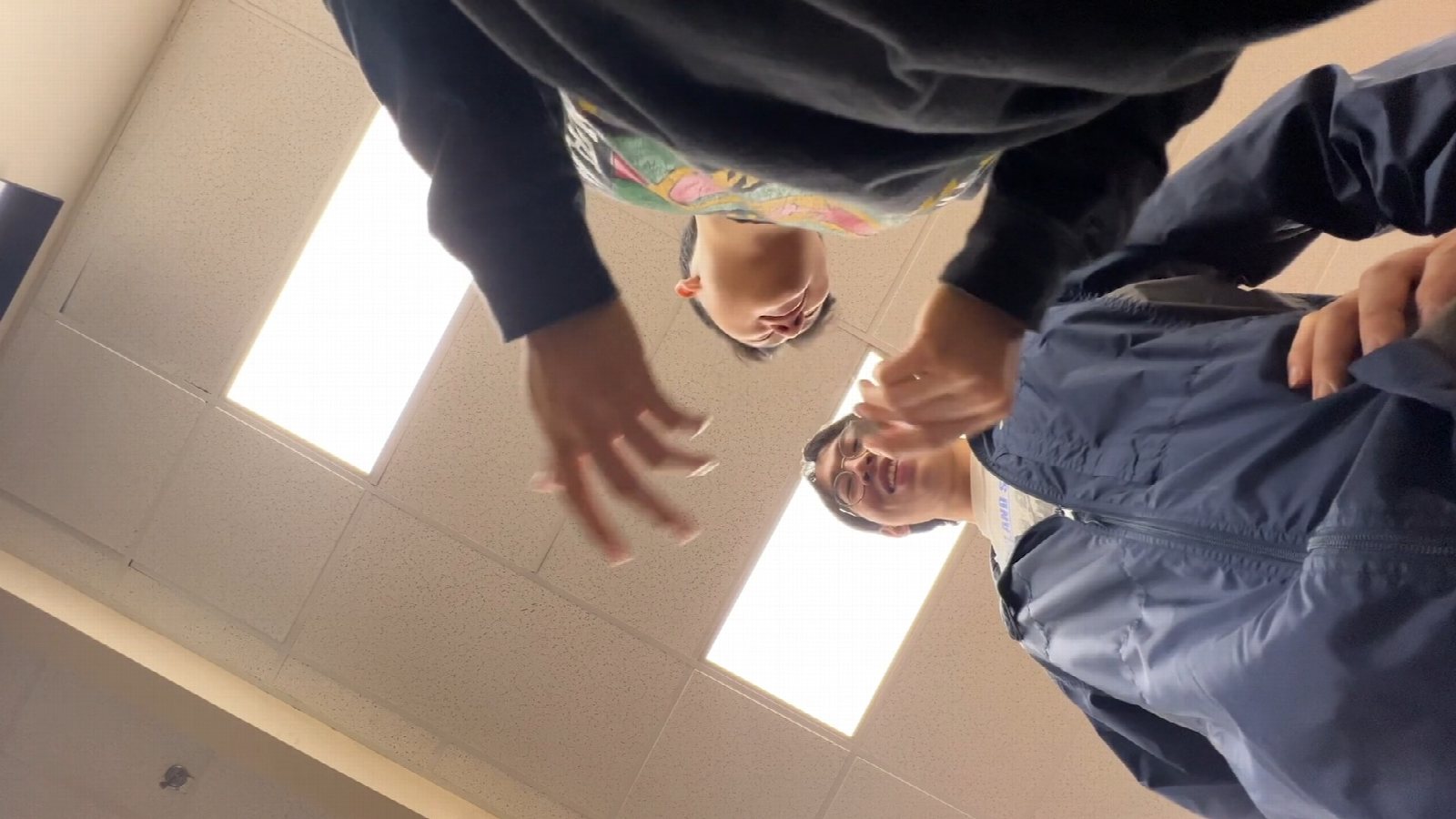
WE BUY GOLD — Huang & Smith‑Chang's DIY trickery
Huang & Smith‑Chang use iPhone immediacy, public locations and improvisation to trick viewers into a delightful shock — a useful model for image-makers.
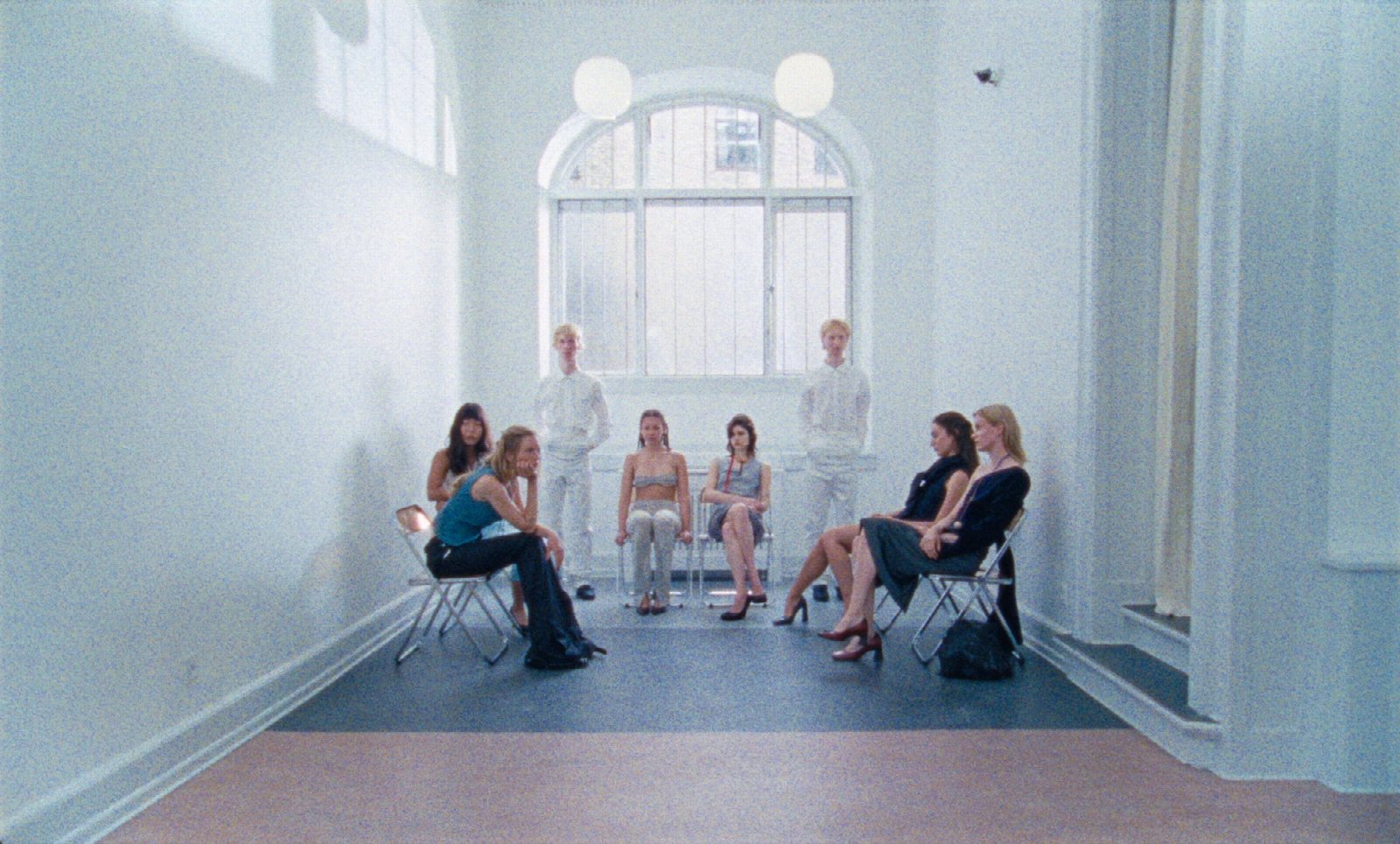
Guilherme Proença: Human Trials
Proença's Human Trials turns an archival shop into a lab: 16mm grain, thrifted clothes and precise movement make fashion feel like a measured experiment.
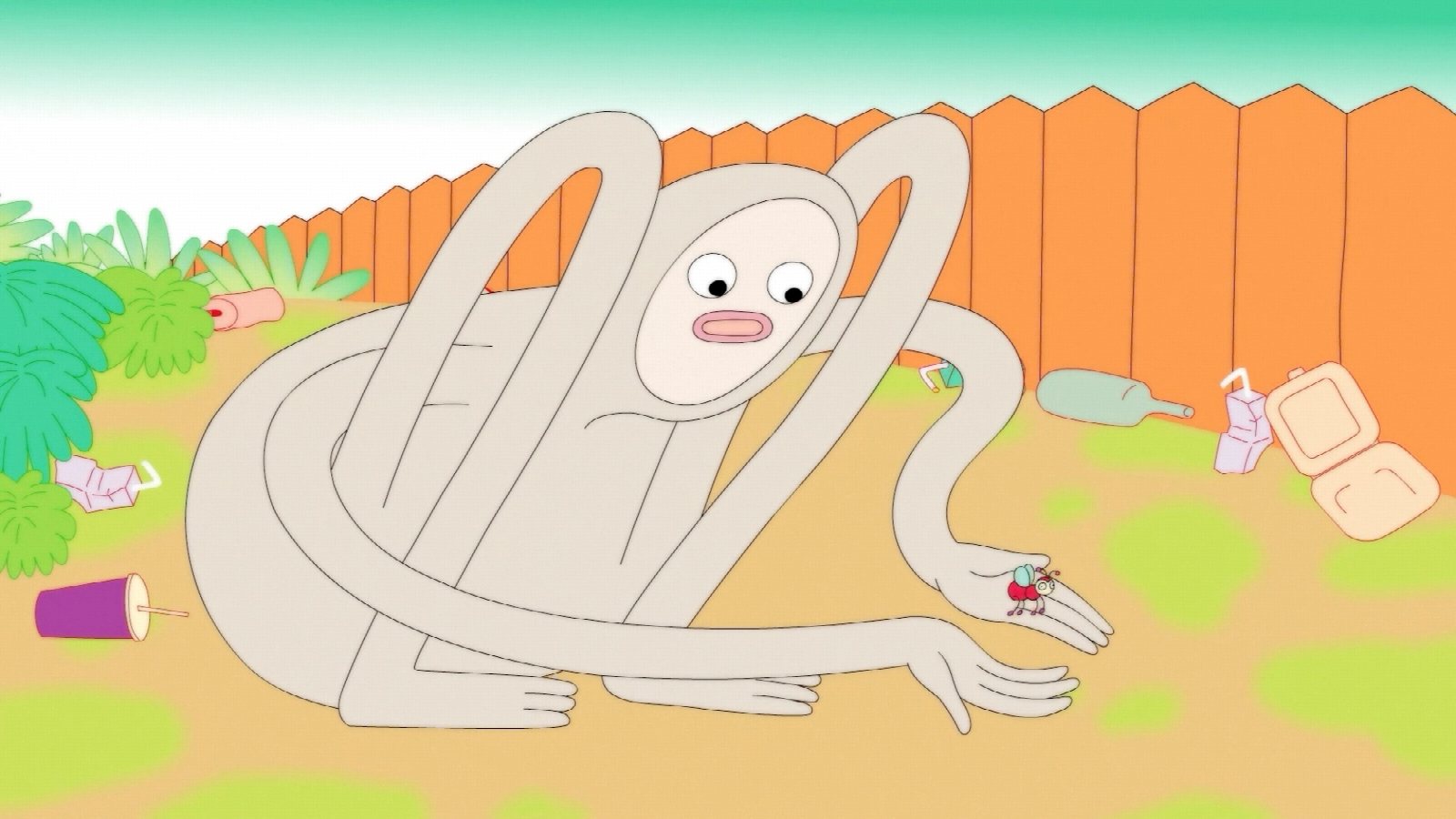
Sacha Beeley’s Babyface — Skillbard turns mosquito bites into dance
Skillbard’s score pivots a mosquito nuisance into a fantasy dance, reframing Beeley’s isolated vignettes with a sudden, playful emotional lift.
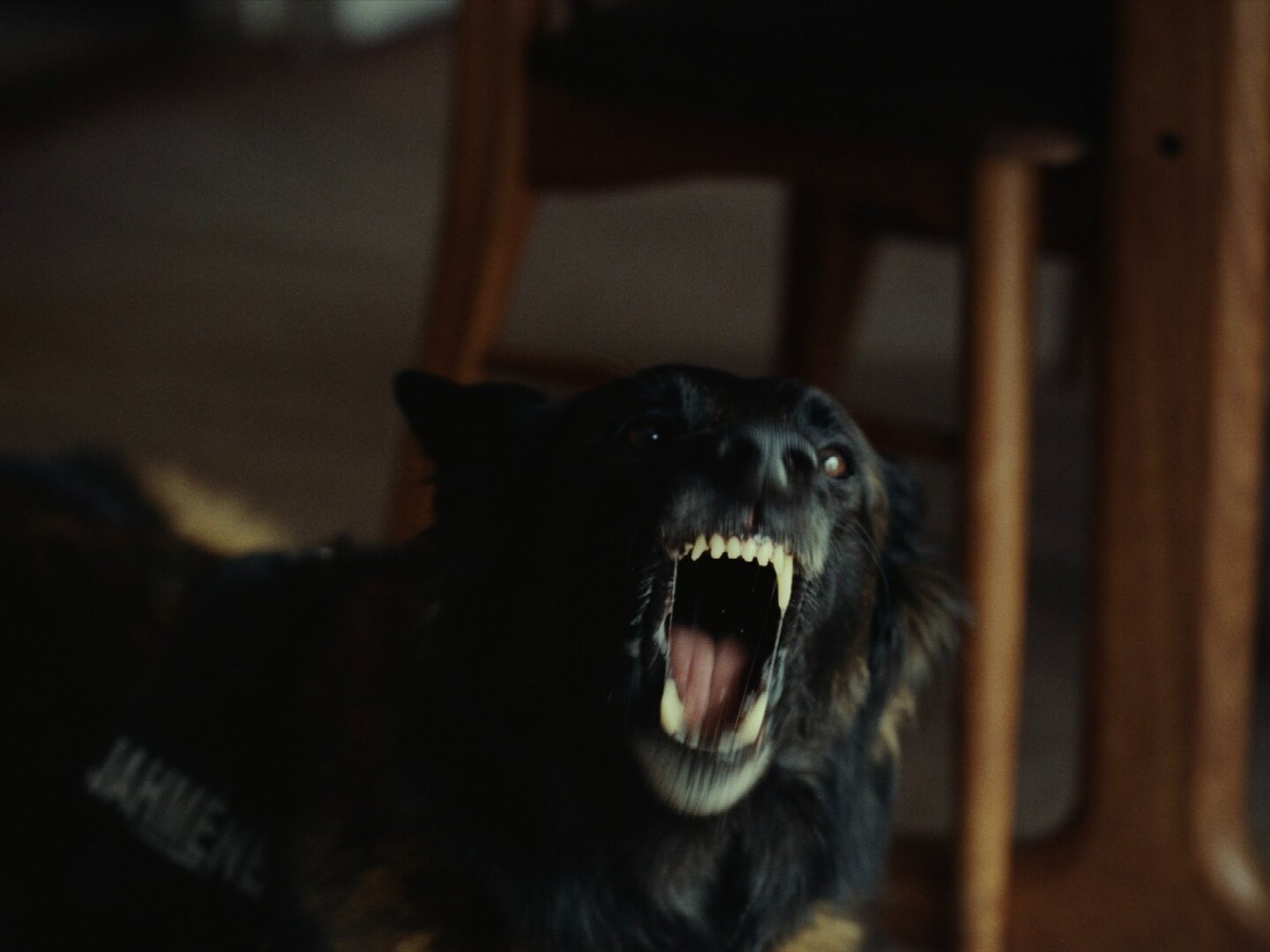
Elliott Power’s K-9INE! — a doorway standoff
Elliott Power’s debut short K-9INE! sharpens the artist’s visual preoccupations — tight 35mm framing, object-led character and a tone that slips between menace and comedy.
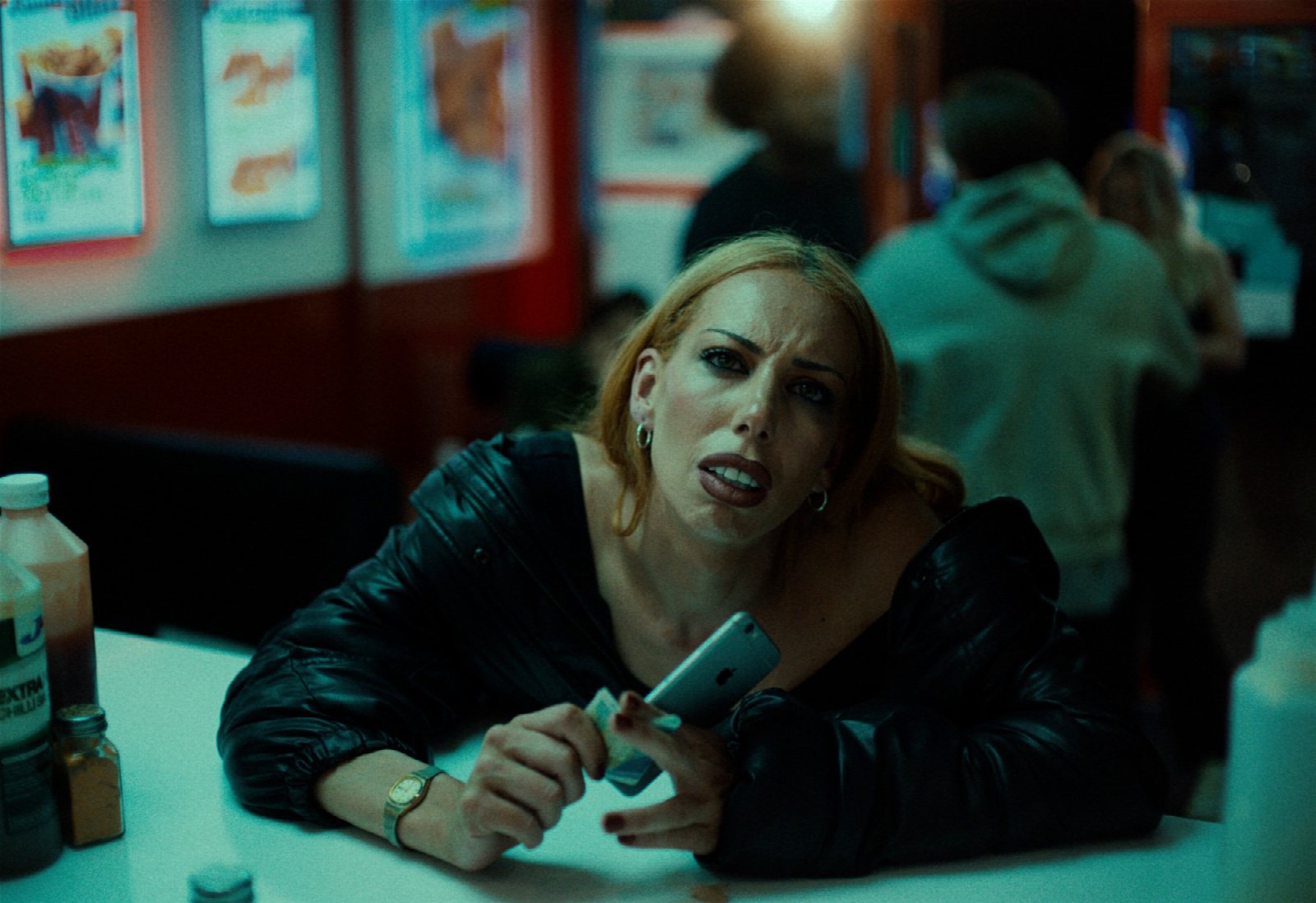
MEAT — Jacob Hopewell’s gaze that won’t stay neutral
Hopewell’s MEAT stages a deliberate, unsettling inversion of the woman-out-at-night trope, pairing restless framing with a score that quietly undermines horror clichés.
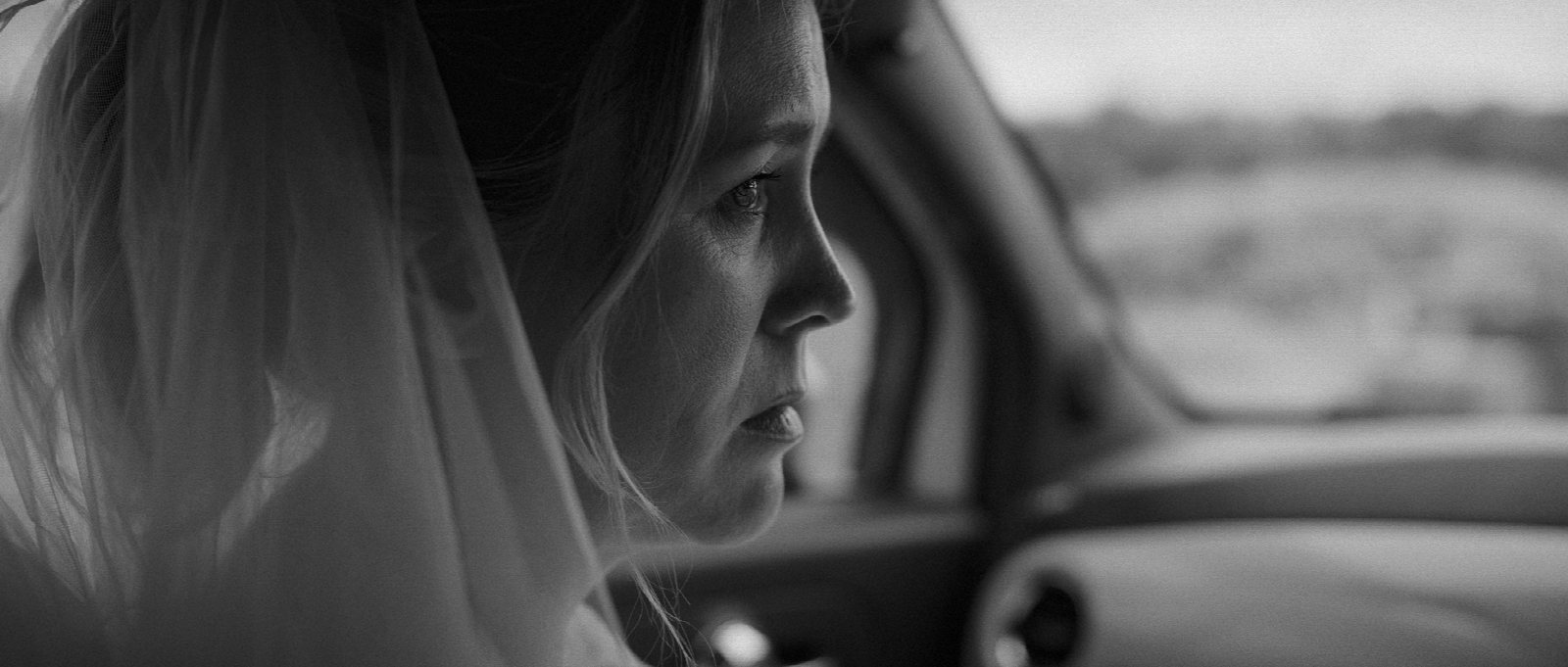
Kitty Percy — For Better: A Black-and-White Bride Finds Her Tribe
Kitty Percy’s For Better dresses loneliness in rom‑com strings and stark monochrome, ending with colour as a burned wedding dress seals its message.
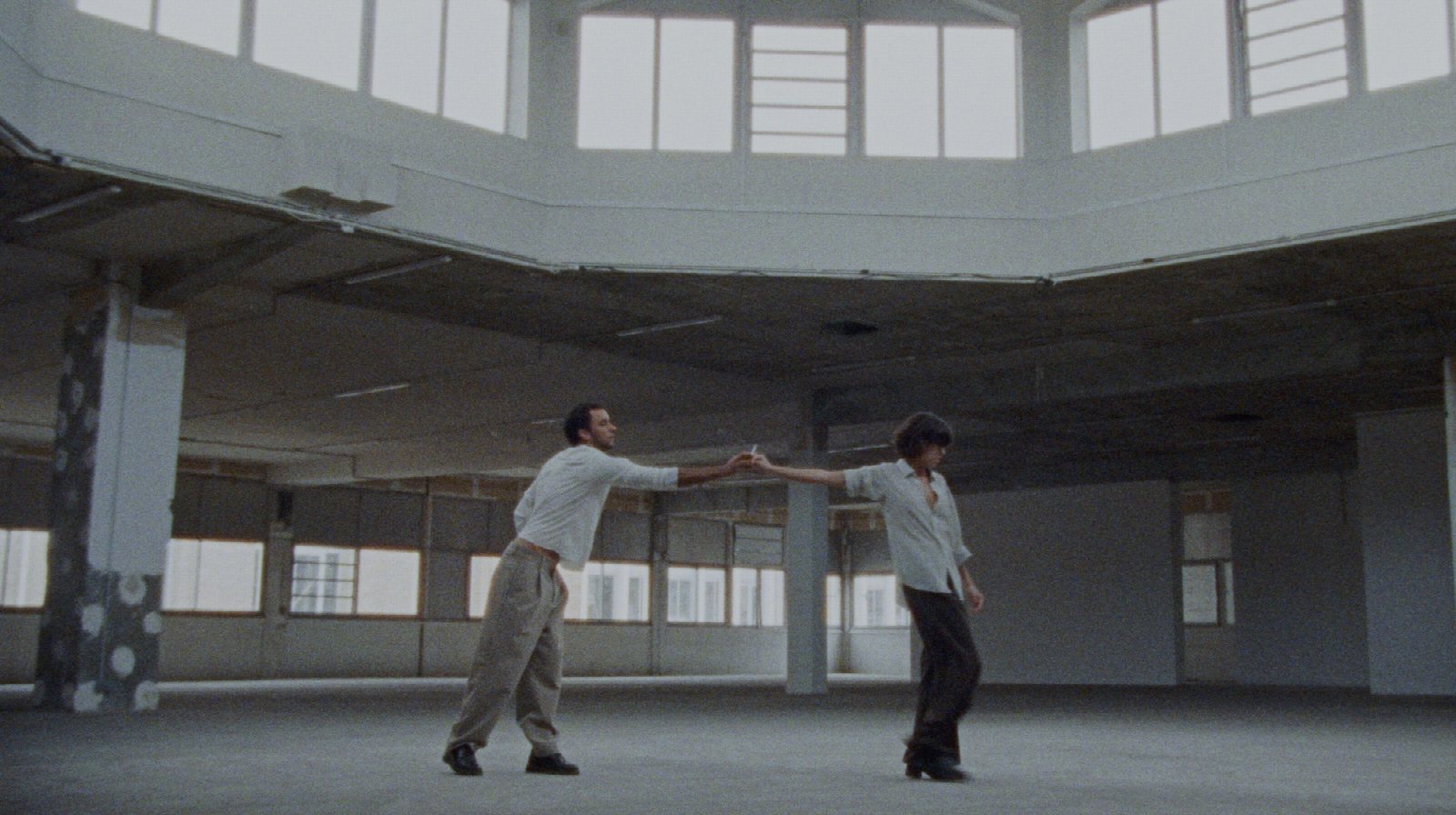
Tony Farfalla — The Space Between Us
Far from theatrical spectacle, Farfalla turns a shared cigarette into the choreographic engine of a 16mm duet that extends his spare, haunting visual language.